- Schedule. Mon - Sat 10.00 - 18.00

Energy Industry
In the energy industry, hydraulic pipes are primarily used to transmit pressurized fluid, which then generates power to operate machinery like turbines in hydroelectric power plants, control water flow in dams, and even adjust blade angles in wind turbines, essentially acting as a highly efficient method to transfer significant amounts of force for energy generation and control across various energy applications.
- Power Plants
- Aeronautics
- Marine
- Renewable energy plants
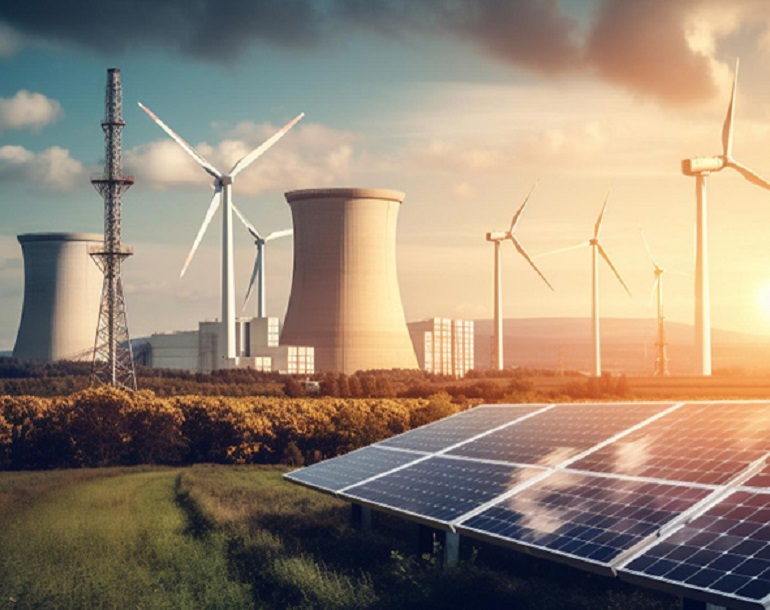
Key applications of hydraulic pipes in the energy sector:
- Hydroelectric power generation:
Hydraulic systems are crucial in managing water flow through dams and controlling turbine operation, converting the kinetic energy of flowing water into electricity.
- Dam control:
Hydraulic gates and valves within dams utilize hydraulic pipes to regulate water release and adjust power output based on demand.
- Turbine operation:
Hydraulic systems are used to control the movement of turbine blades within hydroelectric plants, optimizing energy production.
- Wind turbine blade control:
Advanced hydraulic systems in wind farms precisely adjust the angle of turbine blades to maximize energy capture based on wind conditions.
- Offshore oil and gas operations:
Hydraulic systems are employed in offshore platforms to control drilling operations and manage fluid flow from wells, often due to their ability to handle high pressure situations.
Benefits of using hydraulic pipes in energy applications:
- High power transmission:
Hydraulic systems can efficiently transmit large amounts of force over long distances with minimal energy loss.
- Precise control:
Hydraulic systems allow for fine-tuned control of machinery, enabling optimal operation based on changing conditions.
- Adaptability:
Hydraulic systems can be designed to suit various energy applications, including both renewable and traditional sources.