- Schedule. Mon - Sat 10.00 - 18.00

Exploration Industry:
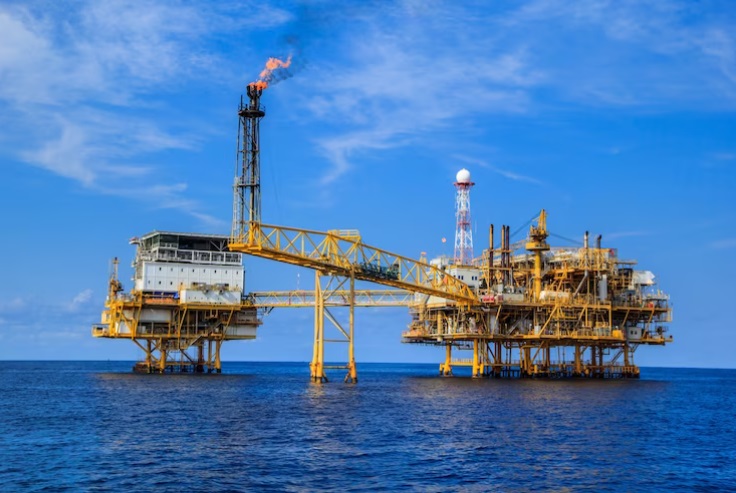
In the exploration industry, hydraulic hoses are primarily used to transfer high-pressure fluids like drilling mud, water, and sometimes compressed air to and from various components of drilling rigs, enabling operations like drilling, mud circulation, and well control during the exploration process for oil and gas deposits; essentially acting as the lifeline for fluid movement in the rig's hydraulic system.
Key applications of hydraulic hoses in exploration:
- Drilling mud circulation:
The primary use is to deliver drilling mud from the mud pump to the drill bit and back to the surface, which helps cool the bit, remove cuttings, and stabilize the borehole.
- Well control operations:
Hydraulic hoses are used to connect to blowout preventers (BOPs) and other well control equipment, allowing for rapid pressure adjustments and fluid control during critical situations.
- Powering drilling rig components:
Hydraulic hoses power various rig components like the rotary table, mud pumps, elevators, and derrick, providing the necessary force for drilling operations.
- Remote operations:
In some cases, hydraulic hoses are used to transmit power to remote drilling locations, enabling operations in challenging terrains.
Important factors to consider when choosing hydraulic hoses for exploration:
- High-pressure capability:
Exploration operations often require hoses that can withstand extremely high pressures generated during drilling.
- Abrasion resistance:
The hoses need to be robust against wear and tear from drilling mud and cuttings.
- Temperature tolerance:
Fluctuations in temperature during drilling operations require hoses that can function in a wide temperature range.
- Flexibility:
The hoses should be flexible enough to maneuver around the drilling rig and adapt to changing conditions.
Extractions Industry:
In the extraction industry, particularly mining, hydraulic hoses are used to transfer high-pressure hydraulic fluid which powers the machinery used for drilling, excavating, crushing, and conveying materials, essentially acting as the "lifeline" of mining operations by enabling the smooth and reliable function of equipment like drills, excavators, and conveyors, allowing for efficient extraction processes.
Key points about hydraulic hoses in extraction:
- Powering machinery:
Hydraulic hoses deliver the hydraulic fluid that drives the hydraulic motors and cylinders which control the movements of mining equipment.
- Harsh environments:
These hoses are designed to withstand tough conditions like extreme temperatures, abrasion, and exposure to dust and debris commonly found in mining sites.
- High pressure capabilities:
Extraction operations often require hoses that can handle very high pressure to ensure efficient power transmission to the machinery.
- Specialized designs:
Depending on the specific mining application, hoses may have additional features like fire-retardant properties or anti-static capabilities.
Examples of extraction equipment that utilize hydraulic hoses:
- Drill rigs:
Hydraulic hoses power the drilling mechanism of drill rigs used to bore holes in the ground.
- Excavators:
Hydraulic hoses control the digging and loading actions of excavators.
- Conveyor belts:
In some cases, hydraulic hoses can be used to power the movement of conveyor belts that transport extracted materials.
- Haul trucks:
Large hydraulic hoses may be used on haul trucks to operate dumping mechanisms.